Education
Razaq Thoughts / Essays & reflectionsWhat If the Institution Also Needs to Change?
Kirkness and Barnhardt’s article, “First Nations and Higher Education: The Four R’s—Respect, Relevance, Reciprocity, Responsibility,” prompted me to think more deeply about how institutions frame problems in ways that preserve their assumptions.
- Written by
- RASAQ RAIMI
- Published
- Reading time
- 3 min read
What If the Institution Also Needs to Change?
Kirkness and Barnhardt’s article, “First Nations and Higher Education: The Four R’s—Respect, Relevance, Reciprocity, Responsibility,” prompted me to think more deeply about how institutions frame problems in ways that preserve their assumptions.
For instance, when students struggle within a university, the language often focuses on the students: retention, persistence, achievement, preparedness, or sometimes adjustment. While these concepts are relevant for measuring outcomes, Kirkness and Barnhardt raise a deeper question:
What if the question is not only whether students can adapt to the institution, but whether the institution is willing to adapt to the people it serves?
Their discussion focuses specifically on First Nations students in higher education. The authors contrast an institutional perspective, which expects students to “come to” the university and adapt to its established norms, with students’ perspective: they are “going to” the university for reasons that may extend beyond earning individual credentials or securing employment. For many First Nations students and communities, higher education can also support cultural continuity, community capacity, leadership, self-determination, and the ability to work effectively within institutions that affect their lives.
This difference in perspective matters because it changes how the problem is understood.
If an institution assumes that its structures are neutral, difficulties are likely to be addressed by helping students fit more effectively into those structures. The authors do not dismiss support programs, but they argue that support alone is insufficient if the broader institutional culture remains unchanged.
Their alternative framework centres on the Four Rs: Respect, Relevance, Reciprocity, and Responsibility.
Respect asks whether students and their cultural knowledge are genuinely recognized.
Relevance asks whether education connects meaningfully with students’ realities, aspirations, and communities.
Reciprocity challenges the assumption that knowledge flows only from professor to student or from institution to community. Learning can be a two-way relationship.
Responsibility concerns the ability of students and communities to exercise agency, participate meaningfully, and have greater influence over their educational futures.
What matters to me about the Four Rs is how they shift attention from simply creating opportunities to considering the quality of the relationships through which those opportunities are offered.
This has implications far beyond higher education.
In sustainability work, organizations often speak about stakeholder consultation, public participation, community engagement, and inclusion. But the Four Rs encourage us to ask more demanding questions:
Are people respected as knowledge holders? Is the work relevant to their priorities? Is learning genuinely reciprocal? And do participants have meaningful responsibility or influence over what happens next?
A project can invite people to a meeting without changing who defines the problem. A researcher can collect community knowledge without establishing a reciprocal relationship. An institution can provide access while still expecting people to leave important parts of themselves at the door.
That is why I find the Four Rs a valuable reflective framework.
They remind us that inclusion is not only about who is present. It is also about how the relationship is structured.
In our professional practice, this raises a simple but demanding question:
Are we designing processes that ask people to fit into our existing framework, or are we willing to let their knowledge, priorities, and experiences reshape the framework itself?
Perhaps responsible sustainability leadership begins when institutions stop asking only how people can participate more effectively and start asking how the institution itself may need to learn, change, and become more reciprocal.
#FourRs #SustainabilityLeadership
#Reciprocity #HigherEducation
#WaysOfKnowing #CommunityEngagement
#IndigenousEducation #ResponsiblePractice
Work Under Review
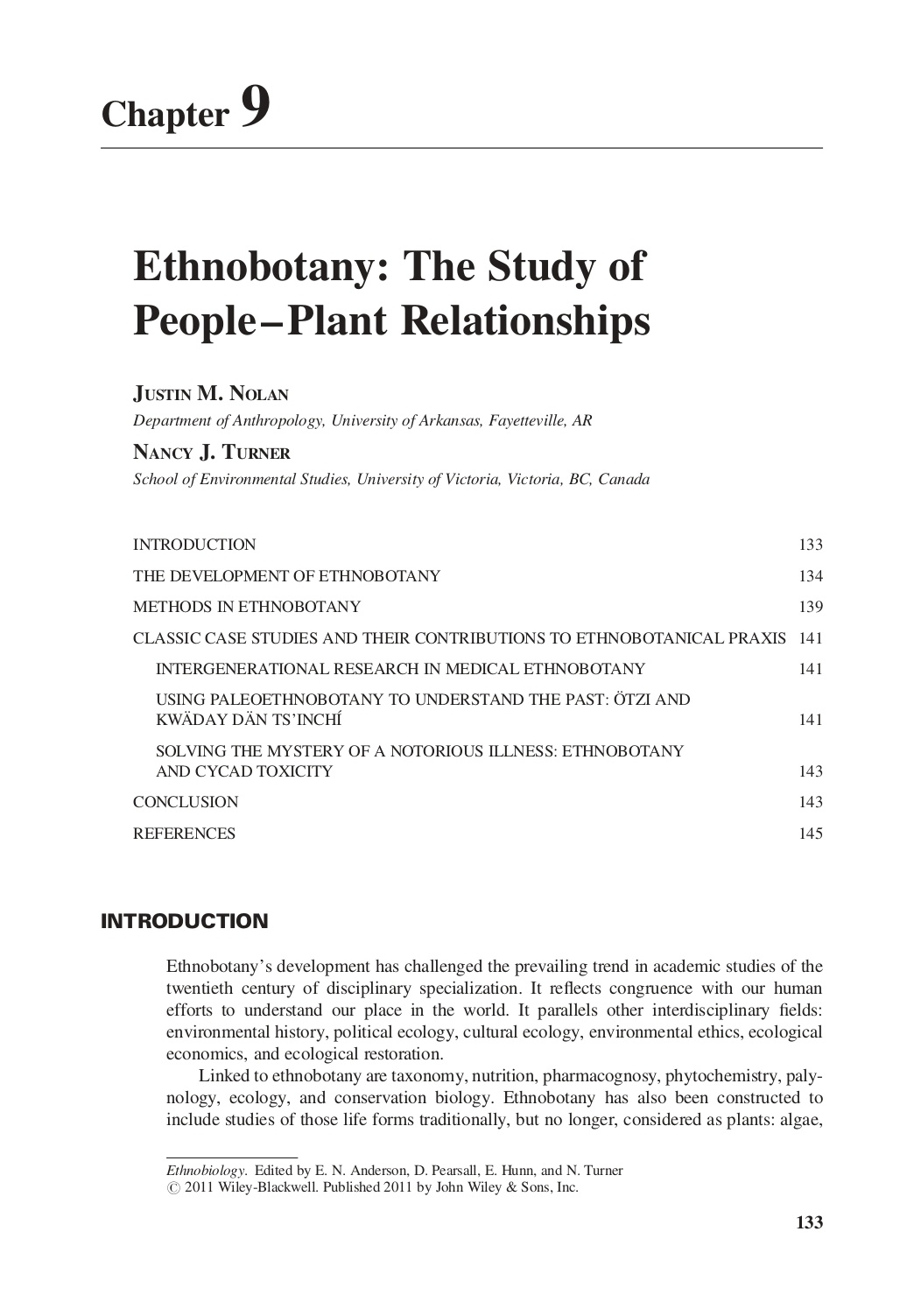
First Nations and Higher Education: The Four R's - Respect, Relevance, Reciprocity, Responsibility
- Original author
- Kirkness, V. J., & Barnhardt, R. (2001)
- Kirkness and Barnhard (2001).pdf
The original work discussed in this article.
Room for another perspective
Join the discussion
What stayed with you? What would you question? Thoughtful disagreement and shared experiences make a good article the start of a conversation.
A note on comments: engage with ideas, respect people, and give reasons for your point of view.
The shift from “can students adapt?” to “can the institution adapt?” is the heart of this piece. Too many programmes treat support services as the whole answer, when the culture around those services stays untouched. Support without structural change just helps people absorb the cost of a system that isn’t changing.