Philosophy
Razaq Thoughts / Essays & reflectionsPerhaps Sustainability Needs a Different Story
We often talk about the environmental problems as though their central challenge were developing better technologies, strengthening government and international policies, improving institutional quality, or finding alternative ways to manage natural resources. This article by Thomas King made me wonder whether the problem lies somewhere deeper: in the stories through which we have learned to understand ourselves and our place in the world.
- Written by
- RASAQ RAIMI
- Published
- Reading time
- 3 min read
Perhaps Sustainability Needs a Different Story
We often talk about the environmental problems as though their central challenge were developing better technologies, strengthening government and international policies, improving institutional quality, or finding alternative ways to manage natural resources.
This article by Thomas King made me wonder whether the problem lies somewhere deeper: in the stories through which we have learned to understand ourselves and our place in the world.
In “You’ll Never Believe What Happened” Is Always a Great Way to Start, the author does not simply use stories as illustrations. He demonstrates what stories can do. In King’s explanation, stories carry assumptions about who we are, what matters, how beings should relate to one another, and what kind of world we believe is possible.
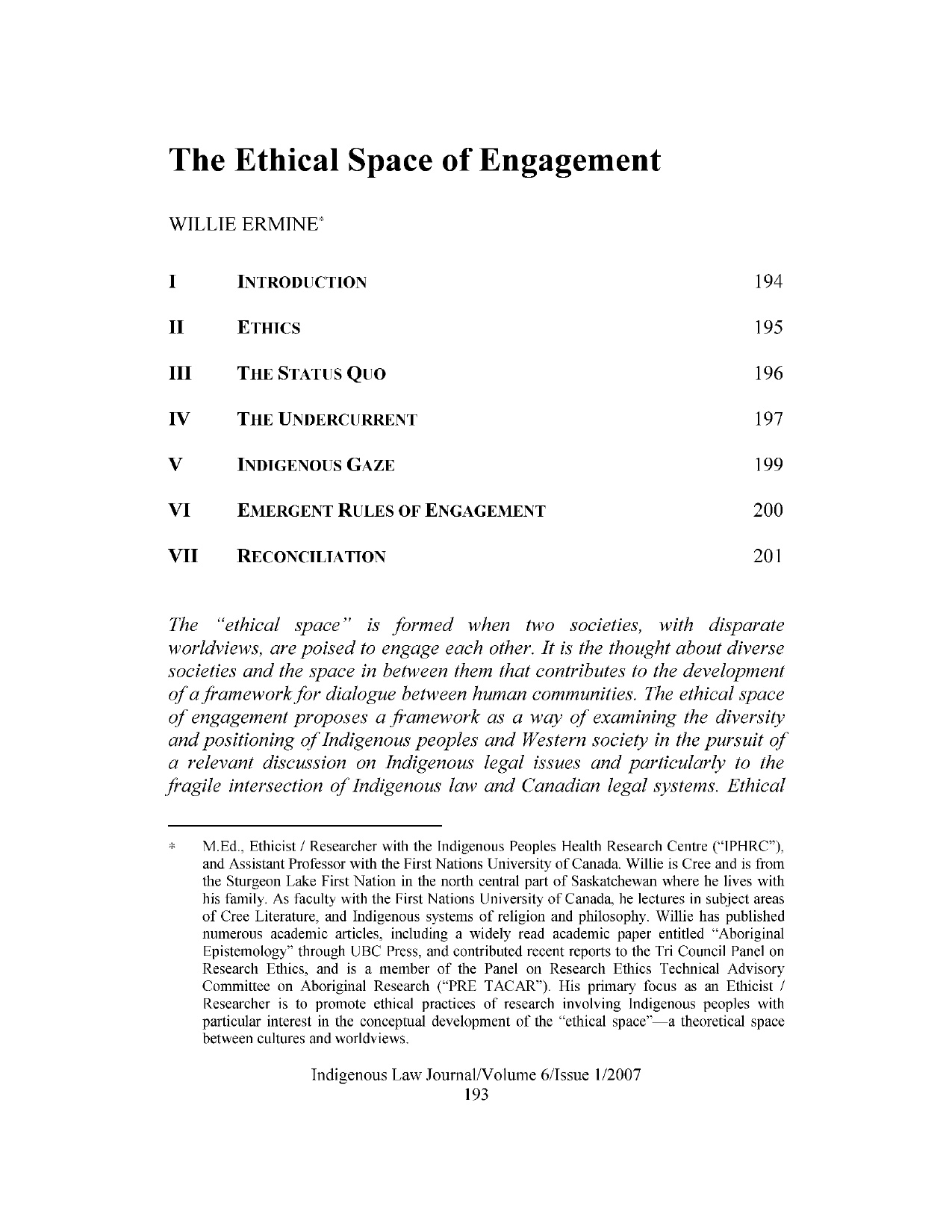
King’s comparison of creation stories is particularly striking. He contrasts the Genesis creation story, which he presents as hierarchical and characterized by separation, with the story of Charm, in which creation unfolds through relationship, cooperation, participation, and balance. His comparison raises an important question: might a world imagined through competition produce different relationships than one imagined through cooperation?
That question deserves attention in sustainability.
Perhaps some of our environmental challenges are not simply failures of technology, policy, or institutions. They may also reflect deeper cultural narratives that position Earth primarily as a resource, subordinate other beings to human purposes, and associate progress with increasing possession, consumption, and control.
If so, sustainability requires more than repairing environmental damage after it occurs. It may also require reconsidering the stories that make certain relationships with the Earth seem natural, inevitable, or acceptable.
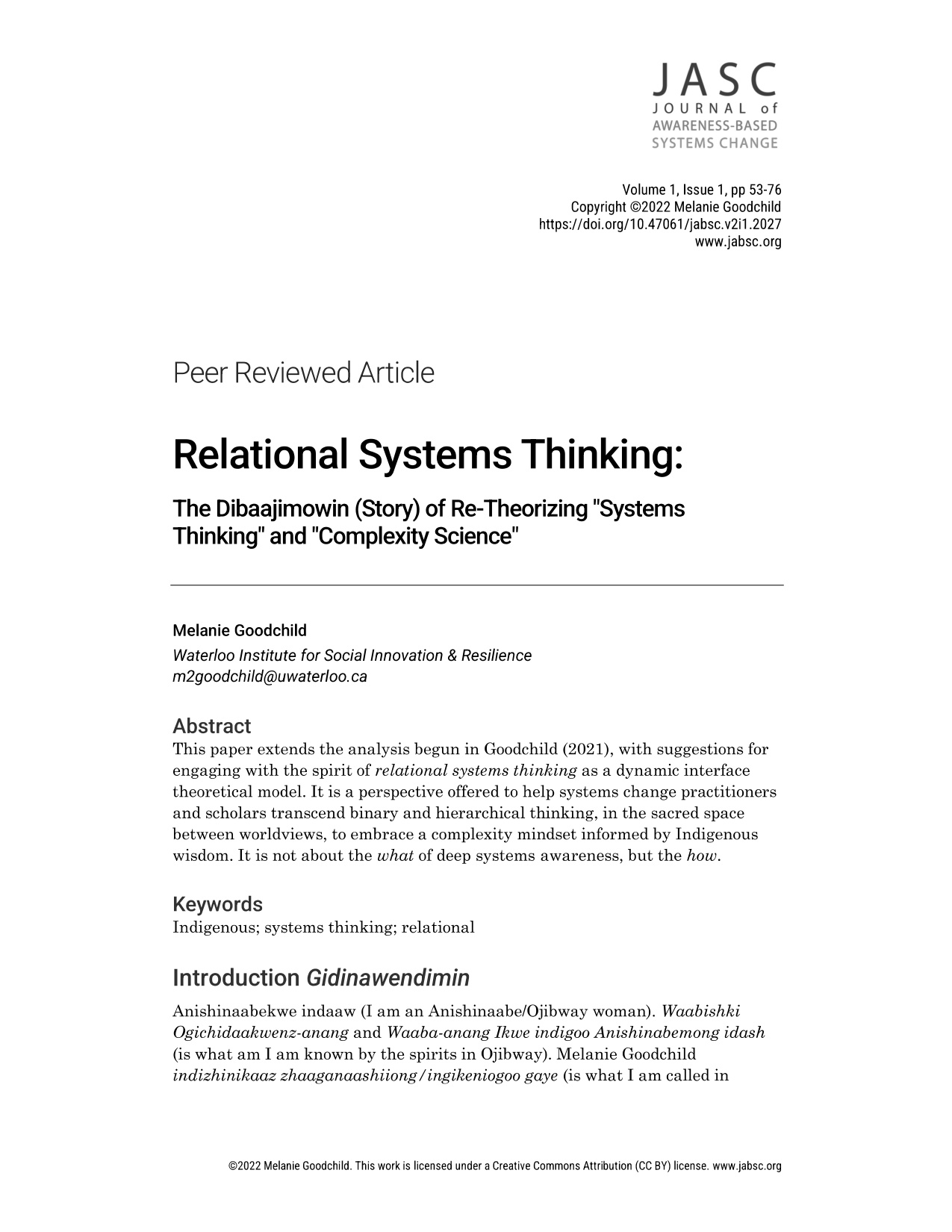
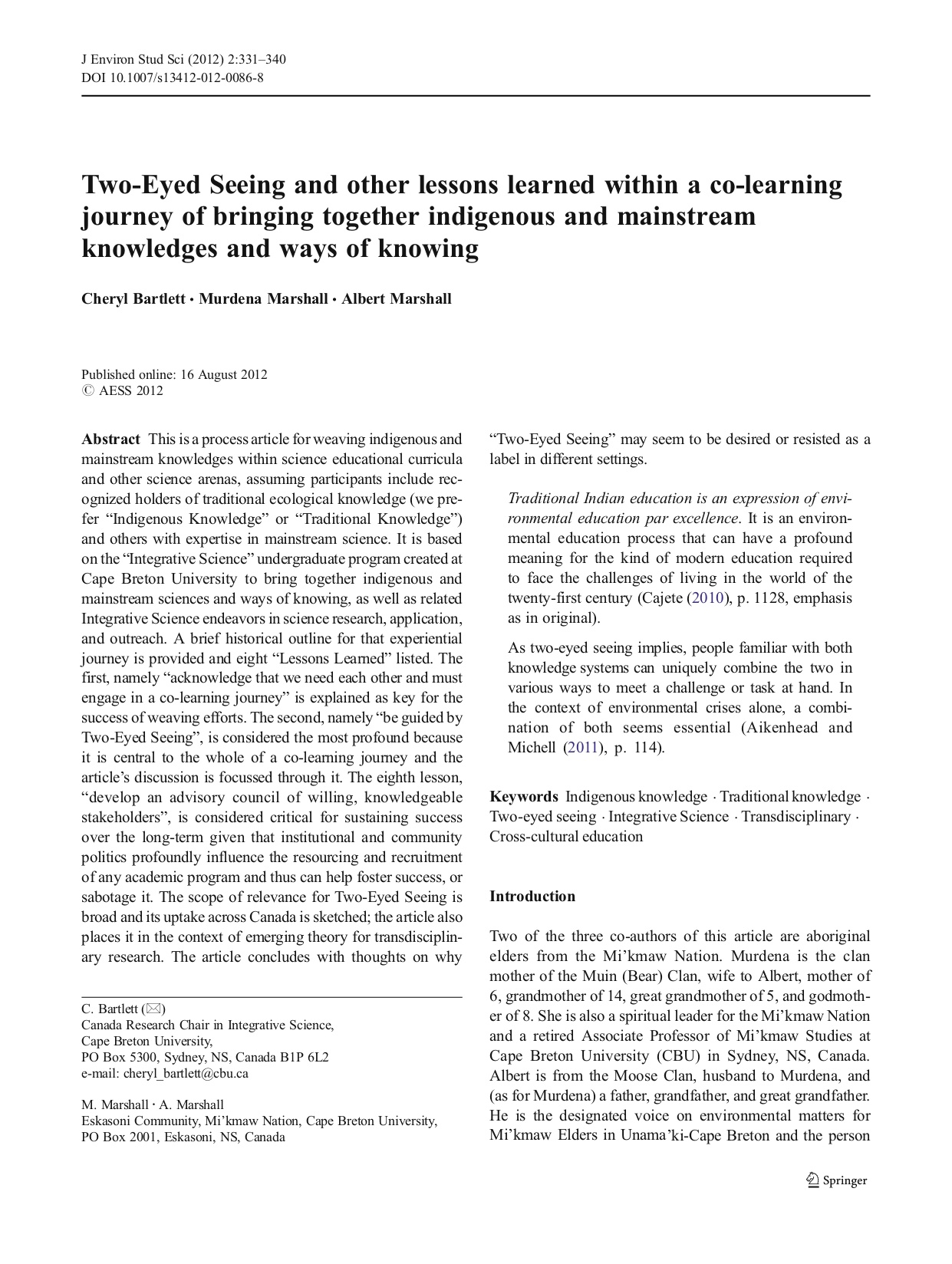
This is where I find Indigenous knowledge traditions especially important. In their distinct cultural contexts, they should not be treated merely as additional information to insert into existing sustainability frameworks, because they invite a more fundamental act of listening to Land, relationships, responsibilities, other beings, community, and ways of understanding human existence that do not necessarily begin with human dominance.
King does not propose another technical formula for sustainability. His intervention is more demanding: he asks us to examine the stories from which our solutions emerge.
Hence, before asking only, What new solution can we introduce? perhaps we should also ask:
What story has brought us here?
What relationships has that story taught us to normalize?
And perhaps most importantly:
Are there other stories we have not listened to carefully enough?
Sometimes a sustainable future may begin not by speaking louder, but by learning to listen differently.
Reflection on Thomas King’s “You’ll Never Believe What Happened” is Always a Great Way to Start.
#IndigenousKnowledge #Sustainability
#ThomasKing #Storytelling
#WaysOfKnowing #IndigenousWaysOfKnowing
#EnvironmentalSustainability #SustainabilityLeadership
Work Under Review
“You’ll Never Believe What Happened” Is Always a Great Way to Start’
- Original author
- King, T. (2003)
- King, T. (2003).pdf
The original work discussed in this article.
Room for another perspective
Join the discussion
What stayed with you? What would you question? Thoughtful disagreement and shared experiences make a good article the start of a conversation.
How would we recognize that a new sustainability story had changed relationships rather than just vocabulary? Organisations are quite capable of adopting cooperative language while keeping control.
I would be cautious about taking hierarchy as the only possible reading of Genesis. Could a stewardship reading complicate the contrast without removing the value of King’s comparison?
The title says perhaps, which feels appropriate. Stories seem important here without being offered as a complete explanation of environmental damage.
I found the final questions more productive than a list of recommendations would have been. They ask the reader to examine a starting point that often remains invisible.
The warning about inserting Indigenous knowledge into an unchanged framework matters. Selecting a useful story while ignoring its relationships could repeat the problem the article identifies.
The article uses King to ask a philosophical question about the origins of our solutions. That is more demanding than attaching an inspiring story to a policy already chosen.
The excerpt made me expect an argument against technical fixes. The body is subtler: it asks what assumptions travel inside those fixes.